


Connect Google Calendar and Moco
Integrate Google Calendar with Moco to automate workflows, sync data between apps, and eliminate repetitive tasks with AI-powered automation.
Create Project in Moco when New or Updated Event in Google Calendar
Create Comment in Moco when New or Updated Event in Google Calendar
Create Company in Moco when New or Updated Event in Google Calendar
Create Contact in Moco when New or Updated Event in Google Calendar
Create Expense in Moco when New or Updated Event in Google Calendar
Popular Google Calendar + Moco flows
Start from a real workflow other teams are already running.
Choose a trigger
Google Calendar
When this happens...
New or Updated Event
New Event
Choose an action
Moco
Automatically do this!
Create Project
Create Comment
Create Company
Create Contact
Create Expense
Create Incoming Payment
Create Deal
Create Outgoing Payment
Create Purchase
Create Task
List Company
List Contact
List Expense
List Invoice
List Offer
List Planning Entry
List Project
List Purchase
List User
List Task
List Purchase Category
List Deal
Create Project in Moco when New or Updated Event in Google Calendar
Use this flowCreate Comment in Moco when New or Updated Event in Google Calendar
Use this flowCreate Company in Moco when New or Updated Event in Google Calendar
Use this flowCreate Contact in Moco when New or Updated Event in Google Calendar
Use this flowCreate Expense in Moco when New or Updated Event in Google Calendar
Use this flowCreate Incoming Payment in Moco when New or Updated Event in Google Calendar
Use this flowCreate Deal in Moco when New or Updated Event in Google Calendar
Use this flowCreate Outgoing Payment in Moco when New or Updated Event in Google Calendar
Use this flowCreate Purchase in Moco when New or Updated Event in Google Calendar
Use this flowCreate Task in Moco when New or Updated Event in Google Calendar
Use this flowSupported Triggers & Actions
Everything you can automate between Google Calendar and Moco.
When this happensTriggers
A trigger is an event that starts a workflow.
New or Updated Event
Fires for each event created or edited in the selected calendars since the last check, and for each occurrence of a recurring event when it starts. Returns the full Google Calendar event plus calendarId and triggerReason (created_or_updated or recurring_occurrence). Note: recurring events fire only when an occurrence starts, not when the series is created or edited; cancelled events are not returned.
New Event
Fires for each event newly created in the selected calendars since the last check (events created within the polling interval). Returns the full Google Calendar event. Note: Each check reads only the first 250 events per calendar (by start time) that end after the start of the interval, so an event created entirely in the past is not returned. Cancelled events are not returned. Recurring events are expanded into single occurrences.
New Project
Triggers when a new project is created
New User
Triggers when a new user is created
New Comment
Triggers when a new comment is created
New Company
Triggers when a new company is created
Do thisActions
Action is the task that follows automatically within your Google Calendar integrations.
Create Calendar
Create a calendar with a name; optionally set description, location and time zone. Returns the new calendar with its id.
Update Event
Update an existing event: only filled fields change, the rest stay as is. The guest list is replaced. Returns the event.
List Calendars
Lists the calendars in the connected account's calendar list, one page per call (default 100, max 250). Note: Returns kind, etag, items (the calendars), nextPageToken when more pages exist, and nextSyncToken on the last page. message is set only when no calendars are found (items is then empty). Sync Token ignores Minimum Access Role.
List all Events
Lists a calendar's events in start-time order. Returns events, or an empty events list with a message when none match.
Get Event by ID
Gets one calendar event by ID, with its times, attendees and links. Errors if the event is not found.
Delete Event
Delete an event from a Google Calendar by calendar ID and event ID, optionally notifying guests.
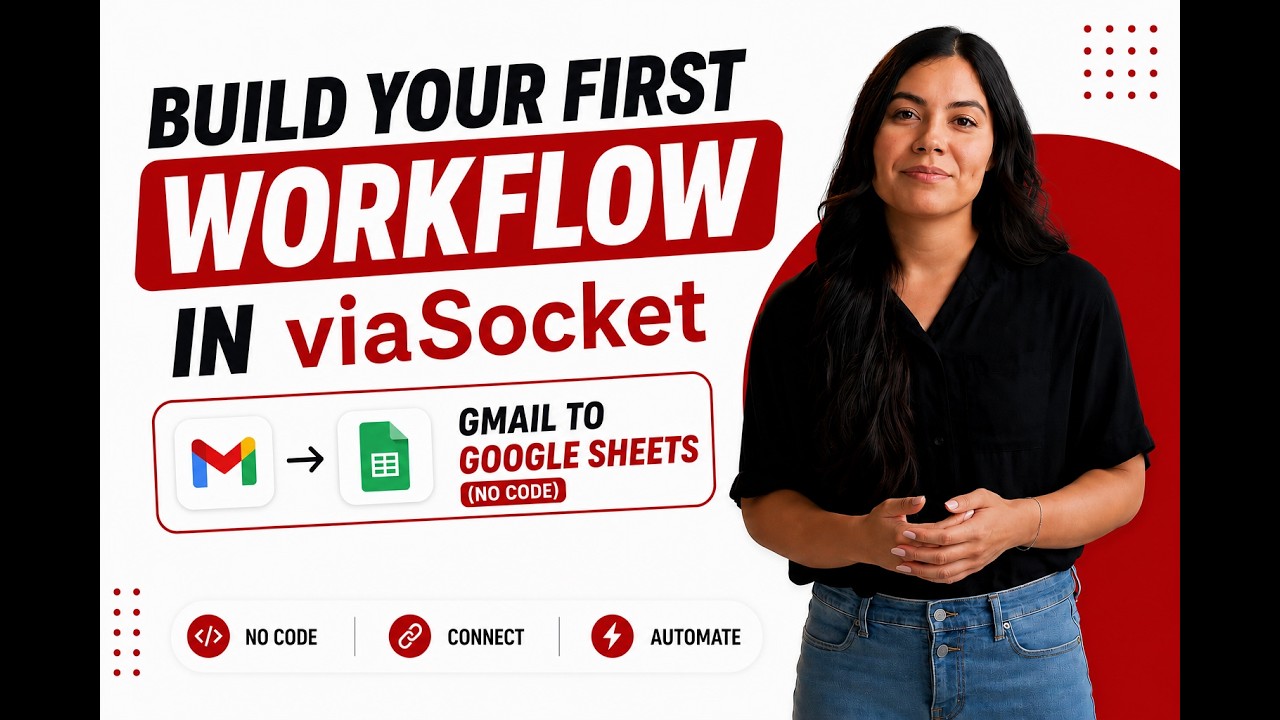
Learn how to build your first workflow
Follow a simple walkthrough to create, test, and launch your first automation.
- 1
Connect your apps
Link the apps you want to automate.
- 2
Configure your workflow
Set up triggers, actions, and map your data.
- 3
Test & publish
Test your workflow and publish it.
Trusted by Thousands. Recognized by the Best.
Recognized by leading review platforms and trusted by 10,000+ businesses worldwide.

From idea to automation.
AI will build it for you
Just describe the task in plain English. viaSocket AI selects the right apps, builds the workflow, maps the fields, and prepares everything for review before you publish.
Learn More About Automation

How viaSocket Works | A Complete Guide
Explore viaSocket, a no-code AI-powered automation platform that connects 2,000+ apps to automate repetitive tasks. Learn how it works, set up triggers and actions, and start automating your day.

5 Simple Automation Hacks to Make Your Team Free
Five practical automation hacks to cut repetitive tasks and boost productivity using viaSocket, covering lead generation, onboarding, accounting, support, and HR.
What is Workflow Automation - Definition, Importance & Benefits | A Complete Guide
Explore workflow automation: its definition, benefits, how it works, real-world examples, and how to automate with viaSocket.
What are Webhooks - Definition, Working, Usage & Examples | A Complete Guide
Discover what webhooks are, how they work, and when to use them. Compare push-based webhooks with APIs and polling, with practical examples and ViaSocket integration.
viaSocket Support
We're here to help

Instant answers
AI assistant available 24/7
Expert support
Connect with our specialists
Trusted & secure
Your data is safe with us
Start automating Google Calendar and Moco free
No credit card required. Set up your first workflow in minutes.
About Google Calendar
Google Calendar is a scheduling and calendar management service that helps individuals and teams create events, manage availability, coordinate meetings, and organize time across devices.
Learn moreSimilar apps





About Moco
MOCO (MObile COmpany) is a lean cloud software made for small medium-sized agency and service businesses. Including time tracking, billing, resource planning, sales-funnel and CRM.
Learn more


Frequently Asked Questions
Sign up for a free viaSocket account, then authorize both your Google Calendar and Moco accounts. From there, pick a trigger in one app and an action in the other. Your first workflow can be live in under five minutes.
Yes. viaSocket uses instant triggers where available, so data moves between Google Calendar and Moco as soon as the event happens. Scheduled polling triggers run at a maximum interval of 15 minutes.
Yes. You can map specific fields, apply filters to skip records that do not match your conditions, and transform values before they reach Moco. No coding required.
Yes. You can set up a workflow where Google Calendar triggers actions in Moco, and a separate workflow where Moco triggers actions in Google Calendar. Both run independently and in real time.
viaSocket logs every run so you can see exactly what succeeded and what failed. Failed tasks can be retried from the dashboard without re-configuring the workflow.
Yes, there is a free plan that covers basic workflows between Google Calendar and Moco. Paid plans unlock higher task limits, faster polling, and advanced features like multi-step workflows and conditional logic.
No. The entire Google Calendar and Moco integration is built through a visual, point-and-click interface. Code blocks are available if you want them, but they are never required.

