



Connect Toolhouse and Bitbucket
Integrate Toolhouse with Bitbucket to automate workflows, sync data between apps, and eliminate repetitive tasks with AI-powered automation.
Create Agent Run in Toolhouse when Pull Request Opens in Bitbucket
Send Message to Agent Run via Toolhouse when Pull Request Opens in Bitbucket
Continue Conversation With Agent in Toolhouse when Pull Request Opens in Bitbucket
Check Agent Background Job Status in Toolhouse when Pull Request Opens in Bitbucket
Create Agent Run in Toolhouse when Pull Request Updated in Bitbucket
Popular Toolhouse + Bitbucket flows
Start from a real workflow other teams are already running.
Choose a trigger
Toolhouse
When this happens...
- Request a new Trigger for Toolhouse
Choose an action
Bitbucket
Automatically do this!
Create Deployment Environment
Create Pull Request
Add Comment to Pull Request
Merge Pull Request
Approve Pull Request
Decline Pull Request
Create Branch or Tag
Create Project in Workspace
Create a snippet comment
Create Repository
Update Pull Request
Merge Pull Request
Create Task on Pull Request
Create Build Status for Commit
Delete Branch or Tag
Create Branch Restriction Rule
Update Branch Restriction Rule
Delete Branch Restriction Rule
Delete Environment
Update Repository
Update Project Settings
Get Pull Request File Changes
Get Pull Request Diff And Diffstat
List Branches and Tags
List Workspace Projects and Check Pull Request Template
List Pull Requests
List Merged Pull Requests by Branch and Date Range
List Pull Requests
Create Agent Run in Toolhouse when Pull Request Opens in Bitbucket
Use this flowSend Message to Agent Run via Toolhouse when Pull Request Opens in Bitbucket
Use this flowContinue Conversation With Agent in Toolhouse when Pull Request Opens in Bitbucket
Use this flowCheck Agent Background Job Status in Toolhouse when Pull Request Opens in Bitbucket
Use this flowCreate Agent Run in Toolhouse when Pull Request Updated in Bitbucket
Use this flowSend Message to Agent Run via Toolhouse when Pull Request Updated in Bitbucket
Use this flowContinue Conversation With Agent in Toolhouse when Pull Request Updated in Bitbucket
Use this flowCheck Agent Background Job Status in Toolhouse when Pull Request Updated in Bitbucket
Use this flowCreate Agent Run in Toolhouse when Pull Request Merges in Bitbucket
Use this flowSend Message to Agent Run via Toolhouse when Pull Request Merges in Bitbucket
Use this flowSupported Triggers & Actions
Everything you can automate between Toolhouse and Bitbucket.
When this happensTriggers
A trigger is an event that starts a workflow.
Pull Request Opens
Runs when pull request opens
Pull Request Updated
Runs when pull request updated
Pull Request Merges
Runs when pull request merges
Pull Request Approval Changes
Runs when PR approval changes
Repository Created
Runs when repository created
Code Is Pushed
Runs when Code Is Pushed
Do thisActions
Action is the task that follows automatically within your Toolhouse integrations.
Create Agent Run
Start an agent run from an existing chat with optional schedule, variables, and callback URL.
Send Message to Agent Run
Send a message to an existing agent run, optionally with content and metadata; return the agent’s response and the run ID.
Continue Conversation With Agent
Send a message to an agent to continue an existing conversation and get the agent's response.
Check Agent Background Job Status
See whether an agent's background job is running and retrieve its job and run IDs.
Create Deployment Environment
Create a deployment environment (e.g., staging or production) for a repository and optionally set its order/priority.
Create Pull Request
Propose merging changes from one branch into another.
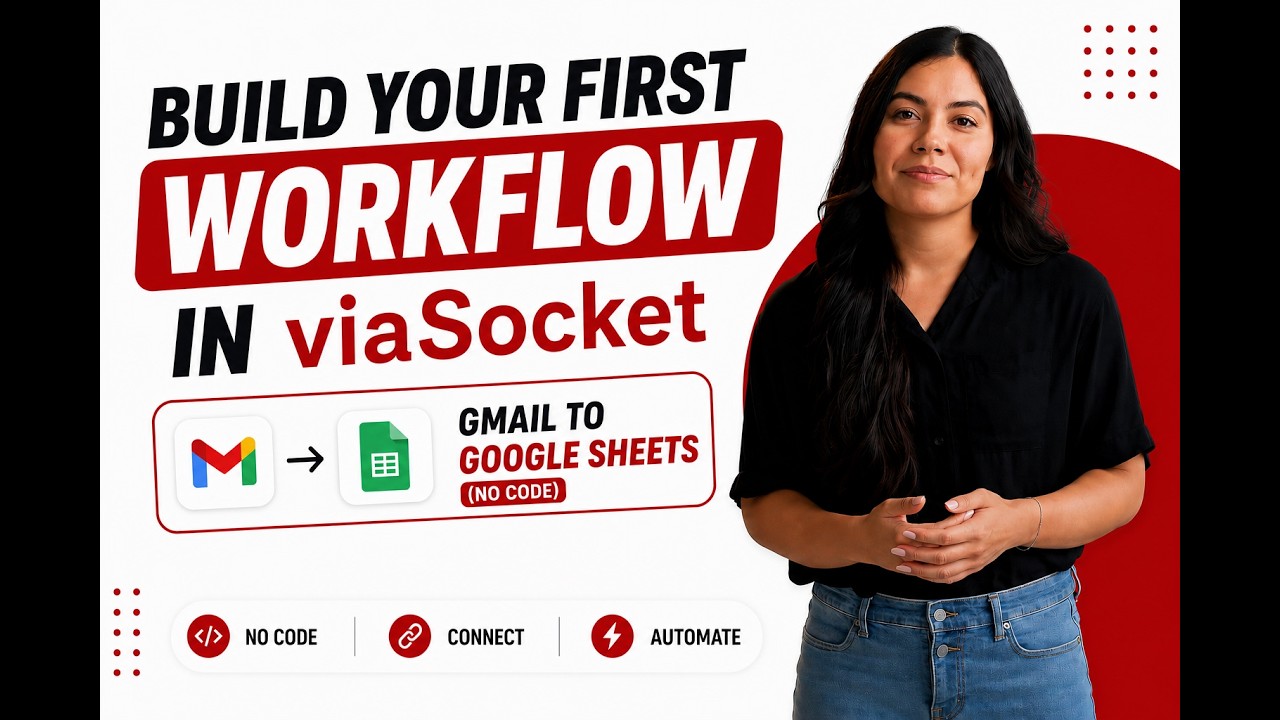
Learn how to build your first workflow
Follow a simple walkthrough to create, test, and launch your first automation.
- 1
Connect your apps
Link the apps you want to automate.
- 2
Configure your workflow
Set up triggers, actions, and map your data.
- 3
Test & publish
Test your workflow and publish it.
Trusted by Thousands. Recognized by the Best.
Recognized by leading review platforms and trusted by 10,000+ businesses worldwide.





From idea to automation.
AI will build it for you
Just describe the task in plain English. viaSocket AI selects the right apps, builds the workflow, maps the fields, and prepares everything for review before you publish.
Learn More About Automation

How viaSocket Works | A Complete Guide
Discover viaSocket, an AI-powered workflow automation platform with 2,300+ integrations. Learn what it is, how it works, and how to set up no-code automated workflows.

5 Simple Automation Hacks to Make Your Team Free
Five practical automation hacks to cut repetitive tasks and boost productivity using viaSocket, covering lead generation, onboarding, accounting, support, and HR.

What is Workflow Automation - Definition, Importance & Benefits | A Complete Guide
Explore workflow automation: its definition, benefits, how it works, real-world examples, and how to automate with viaSocket.
What are Webhooks - Definition, Working, Usage & Examples | A Complete Guide
Discover what webhooks are, how they work, and when to use them. Compare push-based webhooks with APIs and polling, with practical examples and ViaSocket integration.
viaSocket Support
We're here to help

Instant answers
AI assistant available 24/7
Expert support
Connect with our specialists
Trusted & secure
Your data is safe with us
Start automating Toolhouse and Bitbucket free
No credit card required. Set up your first workflow in minutes.
About Toolhouse
Toolhouse is an innovative platform leveraging AI to enhance productivity and streamline workflows. It offers a suite of tools designed to optimize business processes and improve efficiency.
Learn more


About Bitbucket
Bitbucket is a web-based version control repository hosting service, primarily for source code and development projects. It offers both commercial plans and free accounts, providing a platform for developers to manage their code, collaborate on projects, and track changes.
Learn moreSimilar apps





Frequently Asked Questions
Sign up for a free viaSocket account, then authorize both your Toolhouse and Bitbucket accounts. From there, pick a trigger in one app and an action in the other. Your first workflow can be live in under five minutes.
Yes. viaSocket uses instant triggers where available, so data moves between Toolhouse and Bitbucket as soon as the event happens. Scheduled polling triggers run at a maximum interval of 15 minutes.
Yes. You can map specific fields, apply filters to skip records that do not match your conditions, and transform values before they reach Bitbucket. No coding required.
Yes. You can set up a workflow where Toolhouse triggers actions in Bitbucket, and a separate workflow where Bitbucket triggers actions in Toolhouse. Both run independently and in real time.
viaSocket logs every run so you can see exactly what succeeded and what failed. Failed tasks can be retried from the dashboard without re-configuring the workflow.
Yes, there is a free plan that covers basic workflows between Toolhouse and Bitbucket. Paid plans unlock higher task limits, faster polling, and advanced features like multi-step workflows and conditional logic.
No. The entire Toolhouse and Bitbucket integration is built through a visual, point-and-click interface. Code blocks are available if you want them, but they are never required.

