


Connect Calendly and Keka
Integrate Calendly with Keka to automate workflows, sync data between apps, and eliminate repetitive tasks with AI-powered automation.
Find Performance Goals in Keka when New Meeting Book or Invitee Created in Calendly
Create Exit Request in Keka when New Meeting Book or Invitee Created in Calendly
List leave types from Keka when New Meeting Book or Invitee Created in Calendly
List All Employee Salary Details from Keka when New Meeting Book or Invitee Created in Calendly
List Employee Documents from Keka when New Meeting Book or Invitee Created in Calendly
Popular Calendly + Keka flows
Start from a real workflow other teams are already running.
Choose a trigger
Calendly
When this happens...
New Meeting Book or Invitee Created
Invitee Canceled
Invitee No Show Created
When a meeting is scheduled, rescheduled, or canceled
New Routing Form Submission
When a meeting recap is created
Meeting Created Rescheduled Or Canceled
When a new contact is created
When a contact is deleted
When a contact is updated
Choose an action
Keka
Automatically do this!
Find Performance Goals
Create Exit Request
List leave types
List All Employee Salary Details
List Employee Documents
List document types
Find Employees
Log Employee Clock In and Out
Create Leave Request
Upload Employee Document
Update Employee Details
Add an new employee
List All Leave Balances
List All Departments
List All Job Titles
List All Locations
List All Group Types
List All Groups
List All Capture Schemes
List Employee Leave Requests
List of Holidays
List of All Currencies
List All Notice Periods
List All Contingent Types
List of Employee Document Attachment Download Url
List all Leave Plans
List all shift policies
List all Tracking Policies
List all weeklyoff policies
List all holidays Calendar
List all Employee Salaries
List all Salary Components
List all Pay Groups
List All Pay Cycles
List of Payroll Registers
Get all Pay Batches
List all Batch Payments
List all Pay Bands
List all Pay Grades
List all Employee FnF Details
List all Bonus Types
List of Financial Details for All Employees
List all Salary Structures
List Employee Form 16
Search Banks
List Attachment Download Url
List clients
List Client Invoices
List Taxes
List Tax Groups
List Projects
List Employee Expenses
List expense policies
Update Employee Bank Details
List Assets
Update Goal Progress
Assign Asset to Employees
List Attendance Records
Update Employee Salary
List All Banks
List Regularisation Requests
List Clocked-In Employees
List All Jobs
List Job Candidates
Add Candidate to Job
Add a note to a candidate
Download Candidate Resume
List Candidate Interviews
Attach Candidate Resume
Recover Assigned Assets
Give Praise To Employee
List All Policies
List Skills
Find Time Frames
List Employee Skills
Add Skills to an Employee
List Job Boards
List all Badges
List Review Groups
List Review Cycles
List Employee Reviews
List Helpdesk Tickets
List Job Application Fields
Update Candidate
List Helpdesk Categories
List Helpdesk Ticket Closing Reasons
Create Helpdesk Ticket
List scorecard for a job candidate
List Preboarding Candidates
Create Preboarding Candidate
Update Preboarding Candidate
Find Performance Goals in Keka when New Meeting Book or Invitee Created in Calendly
Use this flowCreate Exit Request in Keka when New Meeting Book or Invitee Created in Calendly
Use this flowList leave types from Keka when New Meeting Book or Invitee Created in Calendly
Use this flowList All Employee Salary Details from Keka when New Meeting Book or Invitee Created in Calendly
Use this flowList Employee Documents from Keka when New Meeting Book or Invitee Created in Calendly
Use this flowList document types from Keka when New Meeting Book or Invitee Created in Calendly
Use this flowFind Employees in Keka when New Meeting Book or Invitee Created in Calendly
Use this flowLog Employee Clock In and Out in Keka when New Meeting Book or Invitee Created in Calendly
Use this flowCreate Leave Request in Keka when New Meeting Book or Invitee Created in Calendly
Use this flowUpload Employee Document to Keka when New Meeting Book or Invitee Created in Calendly
Use this flowSupported Triggers & Actions
Everything you can automate between Calendly and Keka.
When this happensTriggers
A trigger is an event that starts a workflow.
New Meeting Book or Invitee Created
Starts the flow when someone books a meeting on any event type (also when an invitee reschedules), for the chosen user, organization or group. Returns the Calendly invitee.created webhook: event, created_at, created_by and the invitee details under payload.
Invitee Canceled
Fires when an invitee cancels a scheduled Calendly event (invitee.canceled webhook). Scope decides whose events fire it: the connected user, the whole organization or one group. Returns the invitee record: status canceled, cancellation (canceled_by, canceler_type, reason, created_at), the scheduled_event and questions_and_answers.
Invitee No Show Created
Fires when an invitee is marked as a no-show in Calendly and returns the invitee, the no-show record (payload.no_show) and the scheduled event. Note: scope User fires only for the connected user's meetings; scope Organisation fires for the whole organization and needs an owner or admin.
When a meeting is scheduled, rescheduled, or canceled
Polls Calendly and fires once for each invitee whose booking was created, rescheduled or canceled since the last poll, for the event types you choose. Each item is one invitee with meeting_action (created, rescheduled or cancelled), the event's name, status, start and end time, host and any cancellation reason. Note: only meetings that start within the polling window or later are checked, so canceling a meeting that already started long ago does not fire.
New Routing Form Submission
Starts the flow when someone submits a Calendly routing form (routing_form_submission.created webhook), for the whole organization. Returns event, created_at, created_by and payload: routing_form URI, questions_and_answers, the routing result (type and value), submitter, tracking and the submission uri. Note: this webhook is organization-scoped, so the connected Calendly account must be an owner or admin on a paid Calendly plan.
When a meeting recap is created
Runs the workflow automatically when a meeting recap is created in the account. Requires a paid Calendly plan.
Do thisActions
Action is the task that follows automatically within your Calendly integrations.
Create Scheduling Link
Creates a single-use Calendly scheduling link (one booking) for an event type; returns booking_url.
Cancel Scheduled Event
Cancels one upcoming active Calendly scheduled event, identified by its event UUID (or full event URI), and Calendly notifies the invitees; the optional reason is included in the cancellation. This cannot be undone. Returns the cancellation record: canceled_by, canceler_type, reason and created_at. Fails with an error when the event does not exist, is already canceled or cannot be canceled by the connected account.
Mark Invitee As No Show
Marks an invitee of a scheduled event as a no-show; returns the no-show record (uri, invitee, created_at).
Create One-Time Meeting
Creates a one-time (one-off) Calendly event type for a host, with a fixed duration, a booking date range and a location, and returns it including scheduling_url to share with invitees. Each call creates a new event type; nothing is sent to invitees.
List All Event Types
Lists Calendly event types of the connected user or of the whole organization, filtered by status. Returns total_count and event_types (name, uri, status, duration_minutes, slug, scheduling_url); an empty list with a message when none match.
List All Available Slots
Lists the open booking slots of one Calendly event type between a From and To date (today or later, at most 7 days, UTC), optionally only morning, afternoon or evening. Returns a list of slots (start_time, status, scheduling_url, invitees_remaining). Note: when the dates are invalid or in the past, the range exceeds 7 days, or no slot matches, it returns a single {message} object instead of a list.
Learn how to build your first workflow
Follow a simple walkthrough to create, test, and launch your first automation.
- 1
Connect your apps
Link the apps you want to automate.
- 2
Configure your workflow
Set up triggers, actions, and map your data.
- 3
Test & publish
Test your workflow and publish it.
Trusted by Thousands. Recognized by the Best.
Recognized by leading review platforms and trusted by 10,000+ businesses worldwide.


From idea to automation.
AI will build it for you
Just describe the task in plain English. viaSocket AI selects the right apps, builds the workflow, maps the fields, and prepares everything for review before you publish.
Learn to build automation
Step-by-step video tutorials to help you connect apps, automate workflows, and save time.
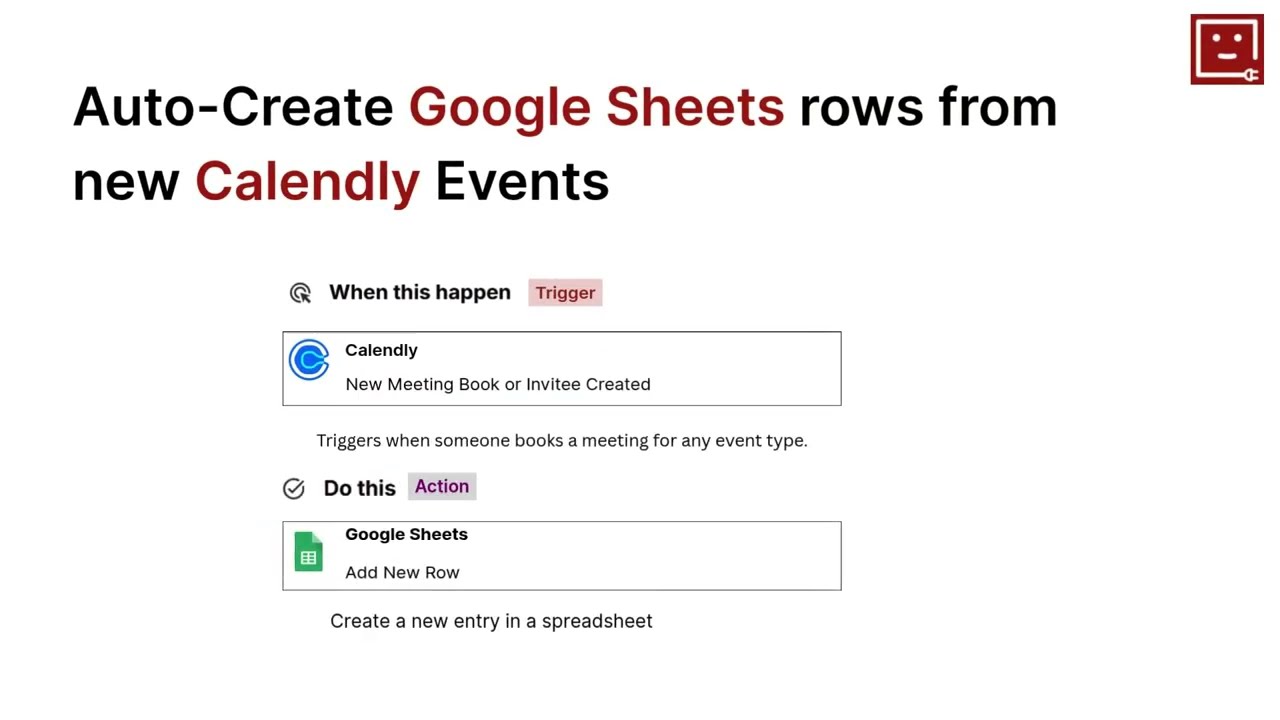
Learn how to automate Calendly and Keka workflows.
Learn More About Automation

How viaSocket Works | A Complete Guide
Explore viaSocket, a no-code AI-powered automation platform that connects 2,000+ apps to automate repetitive tasks. Learn how it works, set up triggers and actions, and start automating your day.

5 Simple Automation Hacks to Make Your Team Free
Five practical automation hacks to cut repetitive tasks and boost productivity using viaSocket, covering lead generation, onboarding, accounting, support, and HR.
What is Workflow Automation - Definition, Importance & Benefits | A Complete Guide
Explore workflow automation: its definition, benefits, how it works, real-world examples, and how to automate with viaSocket.
What are Webhooks - Definition, Working, Usage & Examples | A Complete Guide
Discover what webhooks are, how they work, and when to use them. Compare push-based webhooks with APIs and polling, with practical examples and ViaSocket integration.
viaSocket Support
We're here to help

Instant answers
AI assistant available 24/7
Expert support
Connect with our specialists
Trusted & secure
Your data is safe with us
Start automating Calendly and Keka free
No credit card required. Set up your first workflow in minutes.
About Calendly
Calendly is an online scheduling platform that helps people and teams book meetings, automate reminders and follow-ups, collect payments, and integrate calendars and conferencing tools.
Learn moreSimilar apps





About Keka
Keka is a comprehensive HR and payroll management platform designed to streamline and automate various human resource processes. It offers features such as employee management, attendance tracking, leave management, payroll processing, and performance evaluation, making it an essential tool for businesses looking to enhance their HR operations.
Learn moreFrequently Asked Questions
Sign up for a free viaSocket account, then authorize both your Calendly and Keka accounts. From there, pick a trigger in one app and an action in the other. Your first workflow can be live in under five minutes.
Yes. viaSocket uses instant triggers where available, so data moves between Calendly and Keka as soon as the event happens. Scheduled polling triggers run at a maximum interval of 15 minutes.
Yes. You can map specific fields, apply filters to skip records that do not match your conditions, and transform values before they reach Keka. No coding required.
Yes. You can set up a workflow where Calendly triggers actions in Keka, and a separate workflow where Keka triggers actions in Calendly. Both run independently and in real time.
viaSocket logs every run so you can see exactly what succeeded and what failed. Failed tasks can be retried from the dashboard without re-configuring the workflow.
Yes, there is a free plan that covers basic workflows between Calendly and Keka. Paid plans unlock higher task limits, faster polling, and advanced features like multi-step workflows and conditional logic.
No. The entire Calendly and Keka integration is built through a visual, point-and-click interface. Code blocks are available if you want them, but they are never required.

