
Connect countable and Documint to Build Intelligent Automations
Enable Integrations or automations with these events of countable and Documint
Enable Integrations or automations with these events of countable and Documint
Triggers

New Template
Trigger when a new template is created.
Actions
Merge Template
Merge a Template
Update Document
Update an Existing Document.
Delete Document
Delete a Document.
Explore more automations built by businesses and experts
Automate Instagram Comment Replies with Smart DMs

- text is aiReplytoCommentSend a Private ReplyAdd Step
- Is guide commentReplytoComment GuideSend a Private Reply GuideAdd Step
- multi keyword matchcmntdqJzLMYSReplytoCommentMultiKeywordAdd Step
Automate Social Media Post Creation and Scheduling Across Multiple Platforms



- InstagramInstagram CaptionGenerate ImagePublish Photo with TaggingAdd Step
- YoutubeYoutube Video ScriptYoutube Description VideoCreate an Avatar VideoDelayRetrieve Shareable Link for a Video1Upload VideoAdd Step
- TwitterTwitter TweetPost a TweetAdd Step
- LinkedinLinkedin ArticleCreate a linkedin Article or URL postAdd Step
Automate Instagram DM Replies, Reactions, and Team Alerts
- has responseSendDMMessageAdd Step
- Notify teamSendMailAdd Step
- has reactSendDMMessage ReactAdd Step




Know More About Countable and Documint Integrations

How viaSocket Works | A Complete Guide
Gain insights into how viaSocket functions through our detailed guide. Understand its key features and benefits to maximize your experience and efficiency.

5 Simple Automation Hacks to Make Your Team Free
Unlock your team's potential with 5 straightforward automation hacks designed to streamline processes and free up valuable time for more important work.
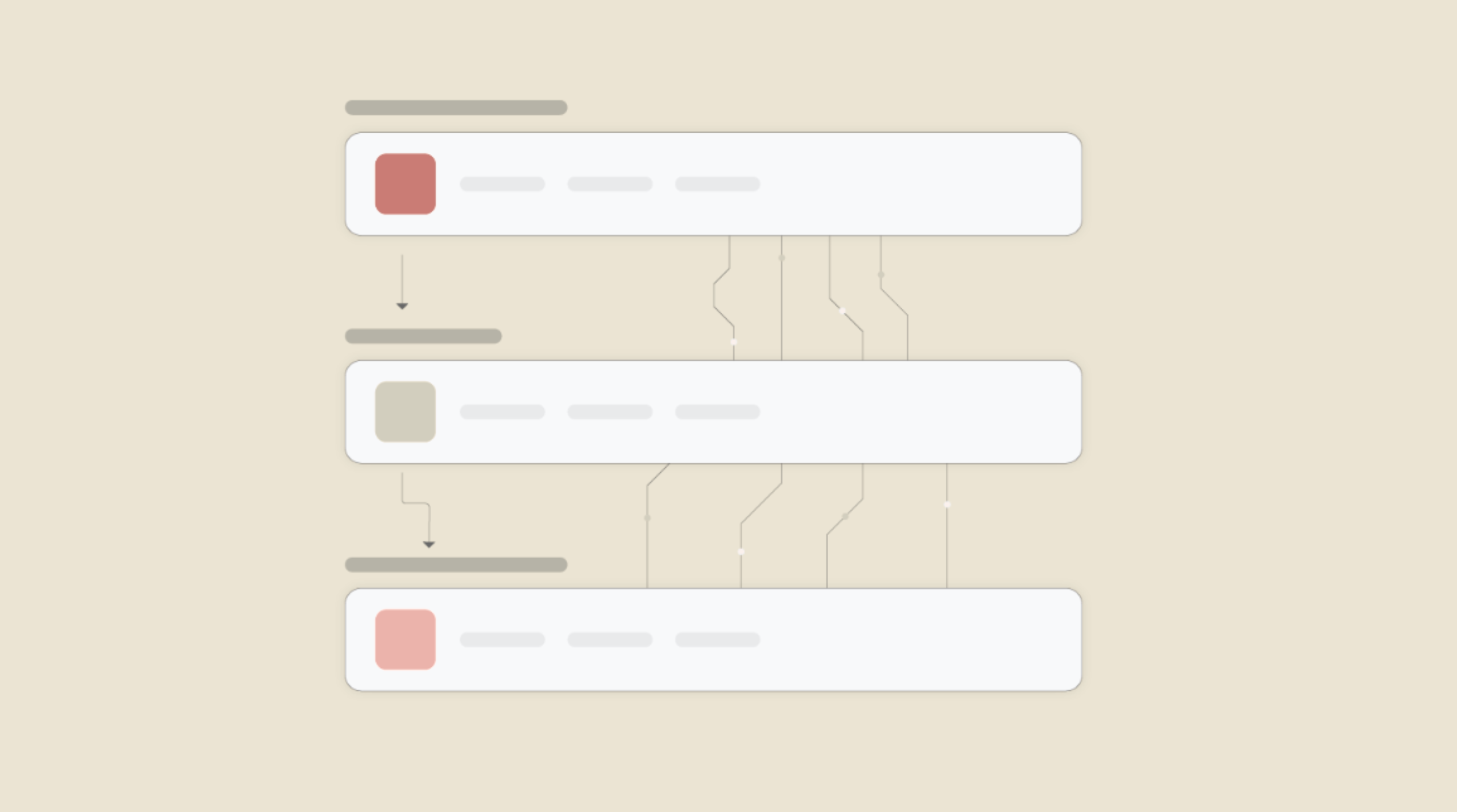
What is Workflow Automation - Definition, Importance & Benefits | A Complete Guide
Workflow automation is the process of using technology to execute repetitive tasks with minimal human intervention, creating a seamless flow of activities.
Frequently Asked Questions
To start, connect both your countable and Documint accounts to viaSocket. Once connected, you can set up a workflow where an event in countable triggers actions in Documint (or vice versa).
Absolutely. You can customize how countable data is recorded in Documint. This includes choosing which data fields go into which fields of Documint, setting up custom formats, and filtering out unwanted information.
The data sync between countable and Documint typically happens in real-time through instant triggers. And a maximum of 15 minutes in case of a scheduled trigger.
Yes, viaSocket allows you to add custom logic or use built-in filters to modify data according to your needs.
Yes, you can set conditional logic to control the flow of data between countable and Documint. For instance, you can specify that data should only be sent if certain conditions are met, or you can create if/else statements to manage different outcomes.

About countable
Countable API integration to help clients create a more dynamic user experience.
Learn MoreAbout Documint
Documint is a document creation service which cuts transaction document creation time down from minutes or hours to seconds.
Learn MoreviaSocket
For SaaS
For AI Agent Builders
Support
Automation Experts


Plans, Pricing and Offer
AI & Automation
© 2026 viaSocket |Privacy,TermsandData Retention & Deletion Policy
Walkover Web Solutions Pvt Ltd. | All rights reserved.